


Across Anne Arundel County, more longtime homeowners are turning their attention to Senior Downsizing and 55 Plus Communities as a practical way to simplify daily life without giving up the coastal character that drew them to the area in the first place. Annapolis offers a distinct mix of historic neighborhoods, waterfront access, and age-restricted communities built specifically around low-maintenance living. Sailboats on the Severn River, brick sidewalks near the State House, and quiet inlets off the South River all sit within a short drive of one another, giving longtime residents a reason to stay close even as their housing needs change. For homeowners weighing a move, and for buyers curious about what age-qualified living looks like near the Chesapeake Bay, this overview breaks down the practical, financial, and lifestyle factors that shape the decision.
Why Senior Downsizing and 55 Plus Communities Appeal to Annapolis Retirees
Many homeowners in Annapolis reach a point where a large single family house no longer matches their daily routine. Stairs become inconvenient, yard work turns into a weekend chore rather than a hobby, and bedrooms once filled with children sit unused for most of the year. The appeal of trading that upkeep for a smaller, more manageable home close to the water and the historic district is a common thread among sellers at this stage of life. Proximity to Luminis Health Anne Arundel Medical Center, walkable access to downtown shops and restaurants, and an easy drive to Baltimore or Washington for family visits keep many longtime residents from leaving the area altogether, even as their housing needs shift. Annapolis also carries a cultural pull that is hard to replicate elsewhere, from the Naval Academy’s public events to the working waterfront in Eastport, and few retirees want to trade that atmosphere for a move out of state.
The financial side matters just as much as the lifestyle side. Decades of appreciation in the Annapolis housing market often leave sellers with substantial equity, which can fund a smaller purchase outright or reduce a mortgage payment to a fraction of what it once was. A condominium or attached home inside an age-restricted community typically carries lower property taxes, reduced utility bills, and a homeowners association that manages landscaping and exterior repairs. A smaller footprint also tends to lower homeowners insurance premiums and cuts down on the cost of major repairs like roof replacement or driveway resurfacing, since many of those responsibilities shift to the association. Those combined savings free up income for travel, healthcare, or simply a more relaxed monthly budget.

The Emotional Side of Senior Downsizing in Annapolis
Leaving a house that has held decades of memories is rarely just a financial transaction. Sellers often describe an adjustment period as they sort through years of belongings, decide what to keep, and say goodbye to a place where children grew up or where holidays were hosted year after year. This emotional weight is real, and it deserves acknowledgment rather than a rushed timeline. Photographs, furniture passed down through a family, and small repairs made over the years all carry meaning that a spreadsheet cannot capture, and that meaning slows the process down in a way that is entirely normal. Many Annapolis families find that starting the process well in advance, room by room, makes the eventual move feel far less overwhelming.
Local resources can ease this transition. Senior move managers, estate sale professionals, and downsizing specialists familiar with Annapolis neighborhoods help sort, donate, sell, or pass along belongings in a way that respects both the timeline and the sentiment attached to each item. Adult children often step in to help with sorting weekends, and many families set aside a single room to hold keepsakes until everyone has a chance to look through them together. Staying connected to community ties, whether through a longtime church, a sailing club on the Severn River, or a neighborhood association, also matters. Many residents who relocate within Annapolis find they can keep those relationships intact simply by choosing a nearby 55 plus community rather than leaving the area entirely.
Well Known 55 Plus Communities Around Annapolis
Heritage Harbour stands out as one of the largest and most established active adult communities in the area, built around amenities such as a clubhouse, an indoor pool, a fitness center, walking trails, and boat storage for residents who want water access without owning waterfront property. The community also maintains a library, a ceramics studio, and a full calendar of resident-run clubs, giving new arrivals an easy way to build a social circle soon after moving in. Its scale means residents can choose from single family homes, villas, and condominiums, all within a community built specifically for buyers aged fifty five and older.
Smaller options exist as well. Four Seasons at Saint Margaret’s, located on the Broadneck peninsula near Whitehall Bay, offers a gated setting with a clubhouse and pool on a more intimate scale, which appeals to buyers who prefer a quieter, less sprawling environment. The Village at Providence Point, situated near Annapolis Exchange Parkway just minutes from downtown, takes a different approach by combining cottages and apartments with an on-site health center and flexible dining plans, appealing to buyers who want long term care options built into their living arrangement from the start. Each of these communities draws a slightly different type of buyer, which makes touring more than one location worthwhile before settling on a final choice.

Senior Downsizing and 55 Plus Communities: What Home Prices Look Like in Annapolis
Pricing inside age-restricted communities does not always track lower than the broader Annapolis market. Demand for turnkey, low-maintenance homes near the water keeps prices competitive, and buyers often pay a premium for amenities such as clubhouses, pools, and included lawn care. Monthly homeowners association or condo fees replace many of the maintenance costs a seller previously paid separately, so a full comparison should weigh the total monthly outlay rather than the purchase price alone. Cash buyers are common in this segment of the market, since many purchasers are drawing on equity from a prior sale, which can shorten the closing timeline compared to a typical financed purchase.
Timing the sale of a long held home alongside the purchase of a new one adds another layer of planning. Senior Downsizing and 55 Plus Communities both move on their own schedules, and a mismatch between the two can leave a seller either carrying two mortgages or searching for temporary housing. A pre-listing inspection, a realistic home valuation based on recent comparable sales, and a clear moving timeline all reduce the chance of a stressful gap between selling and buying. Some sellers also negotiate a rent-back period after closing, which gives them extra time to finish packing without paying for temporary lodging elsewhere.
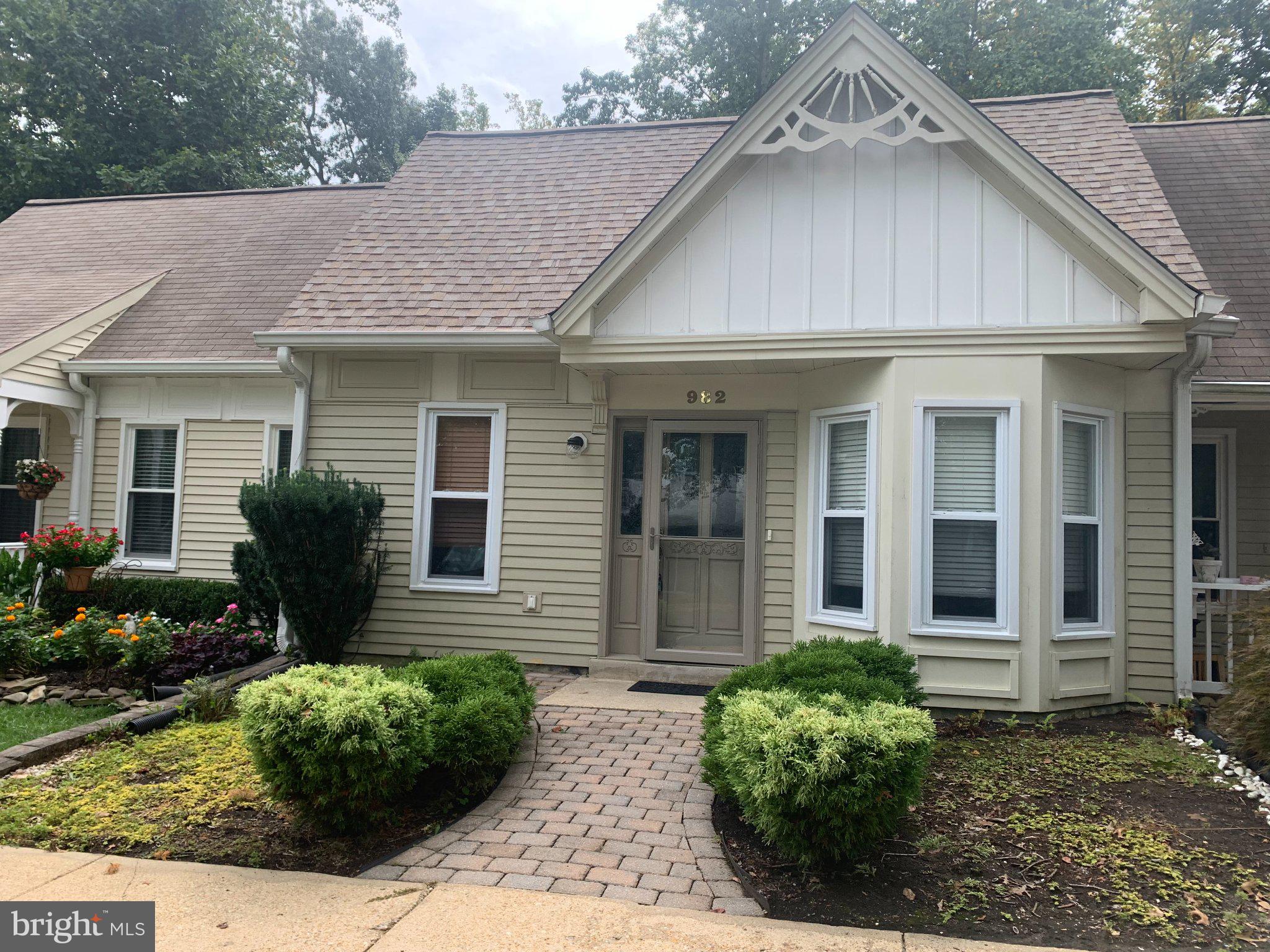
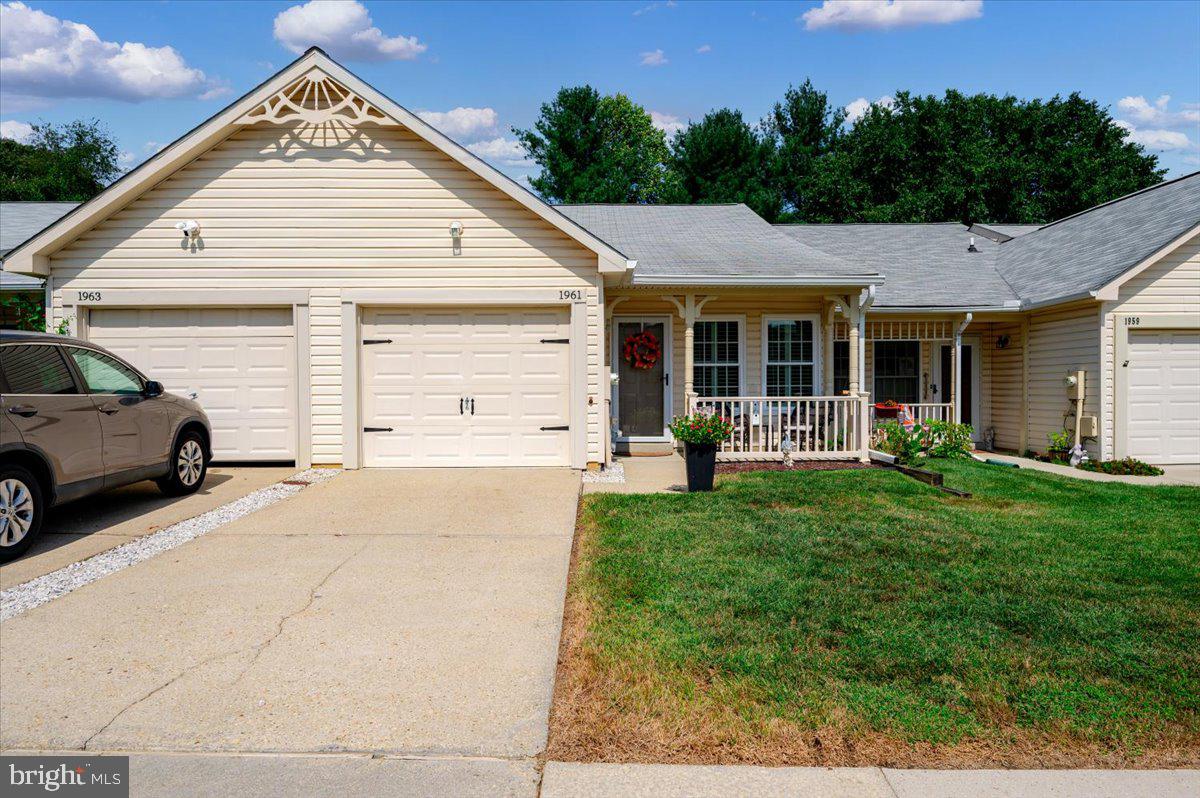
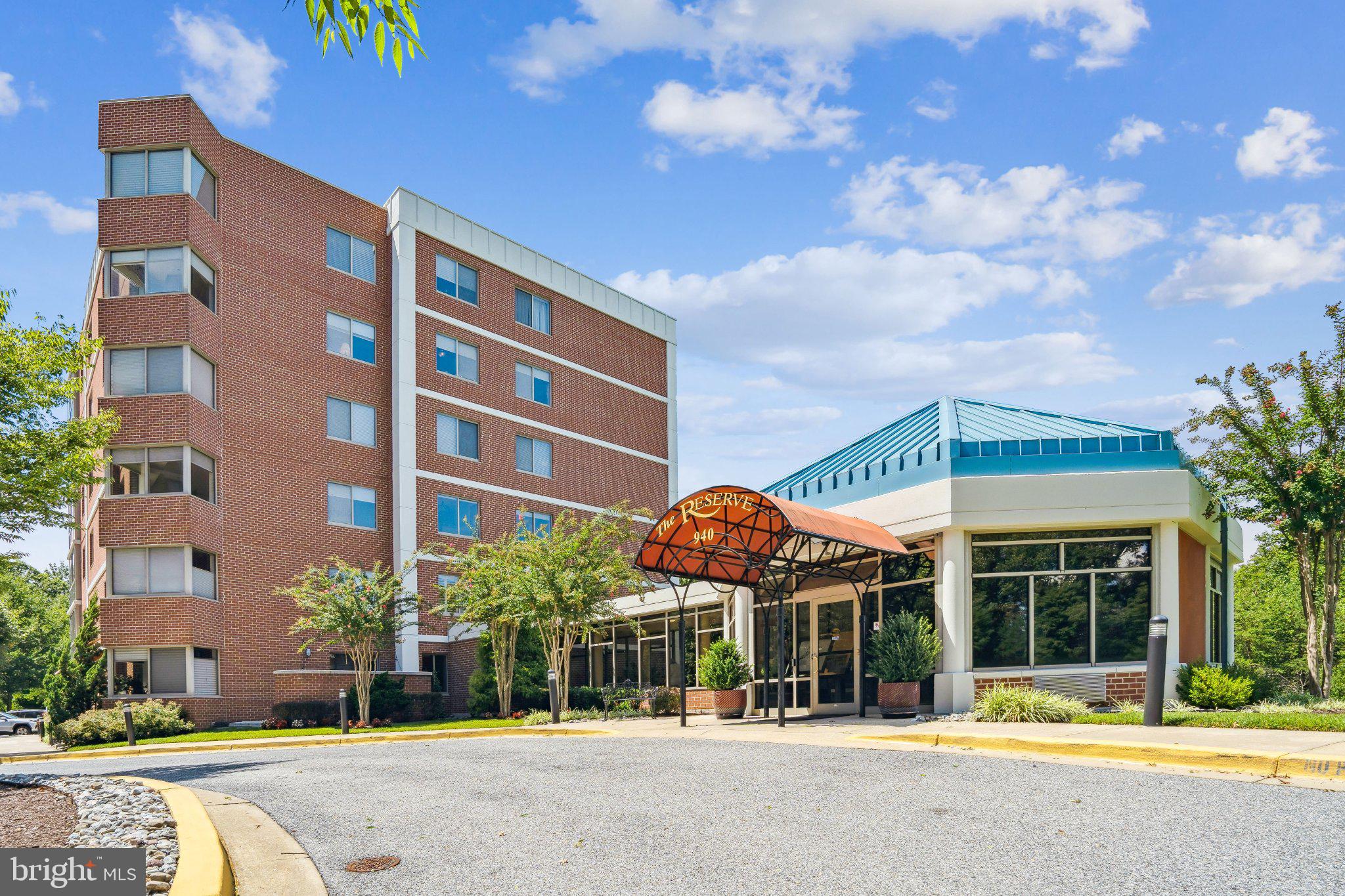
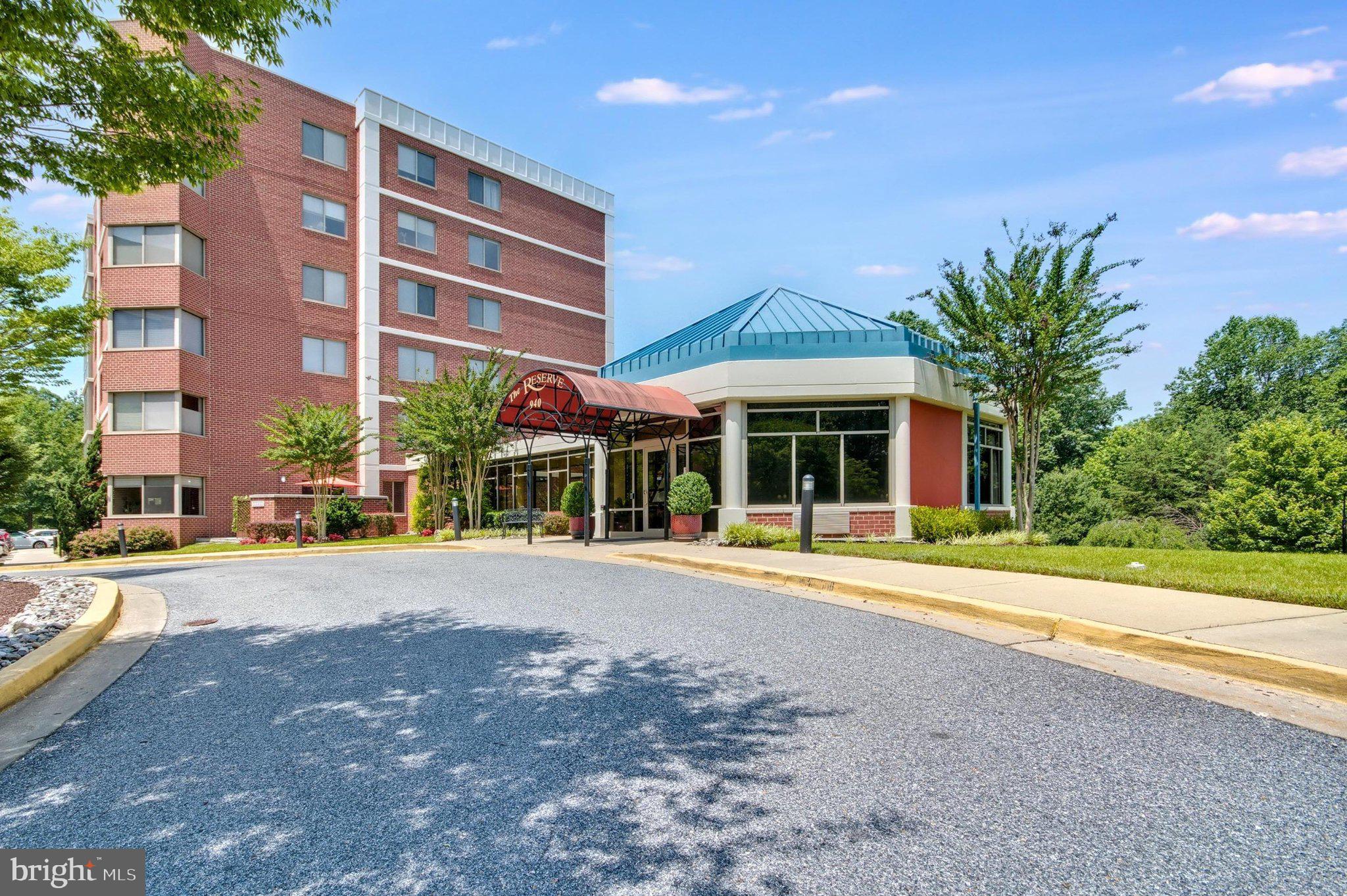
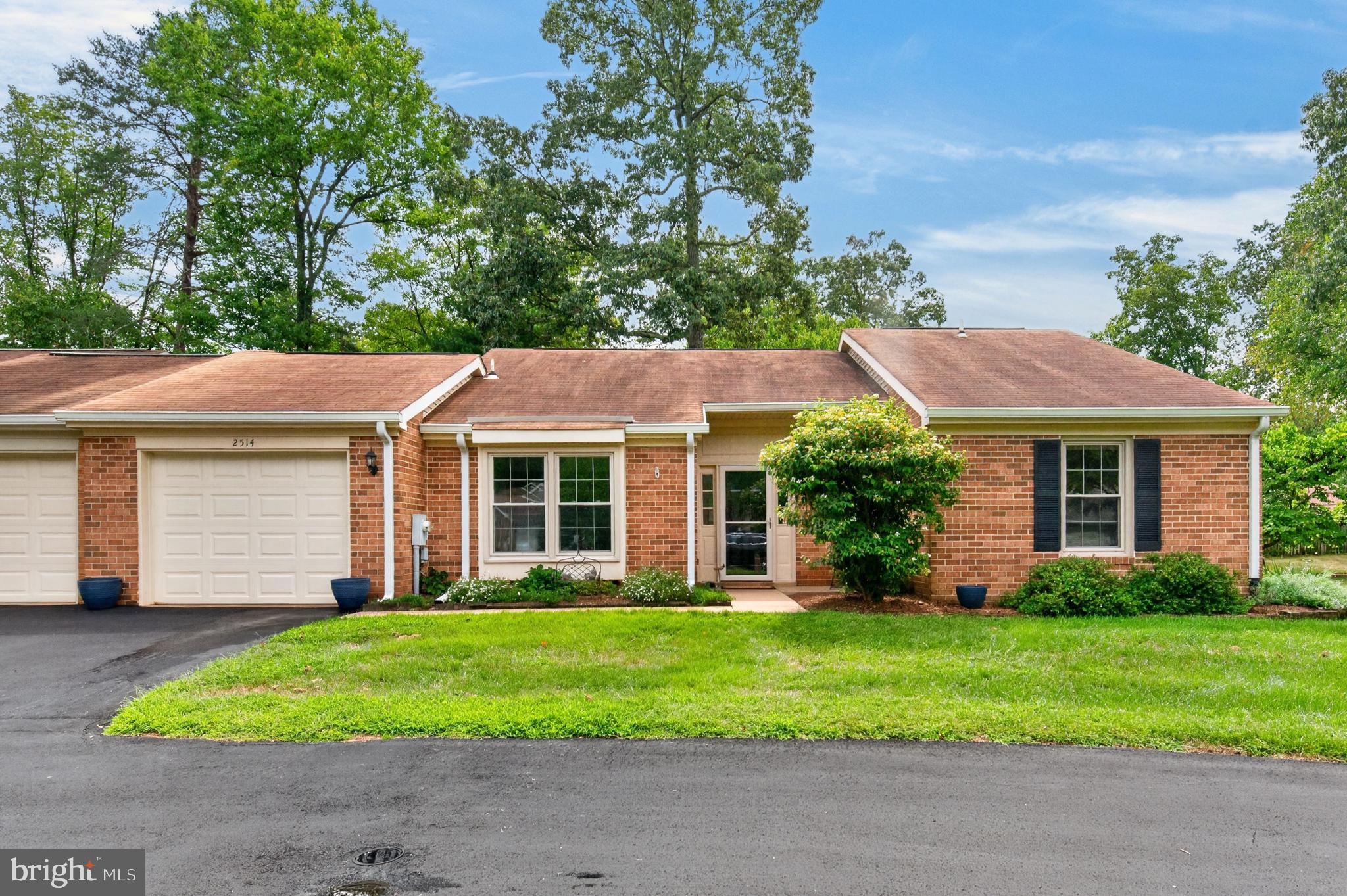
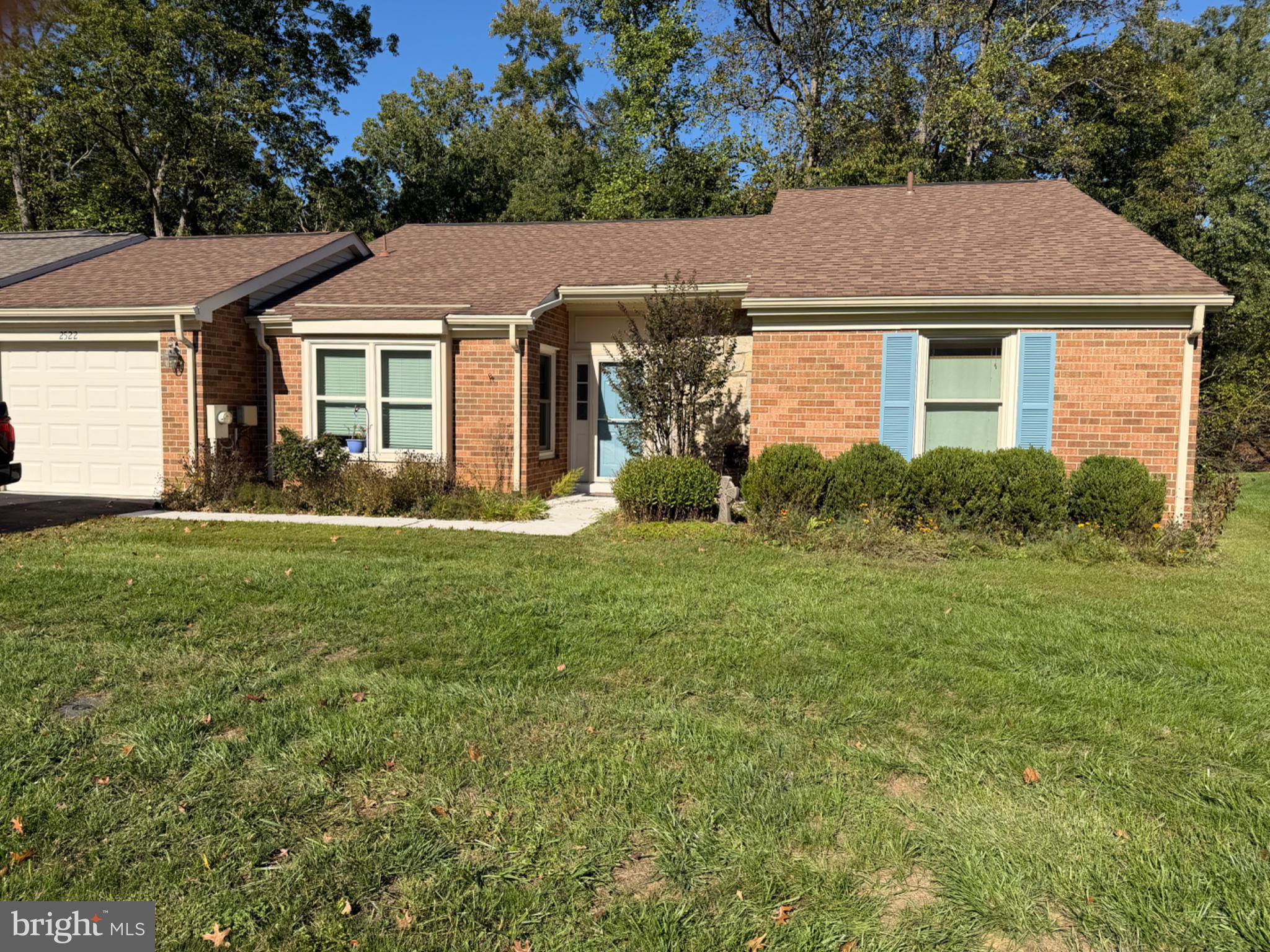
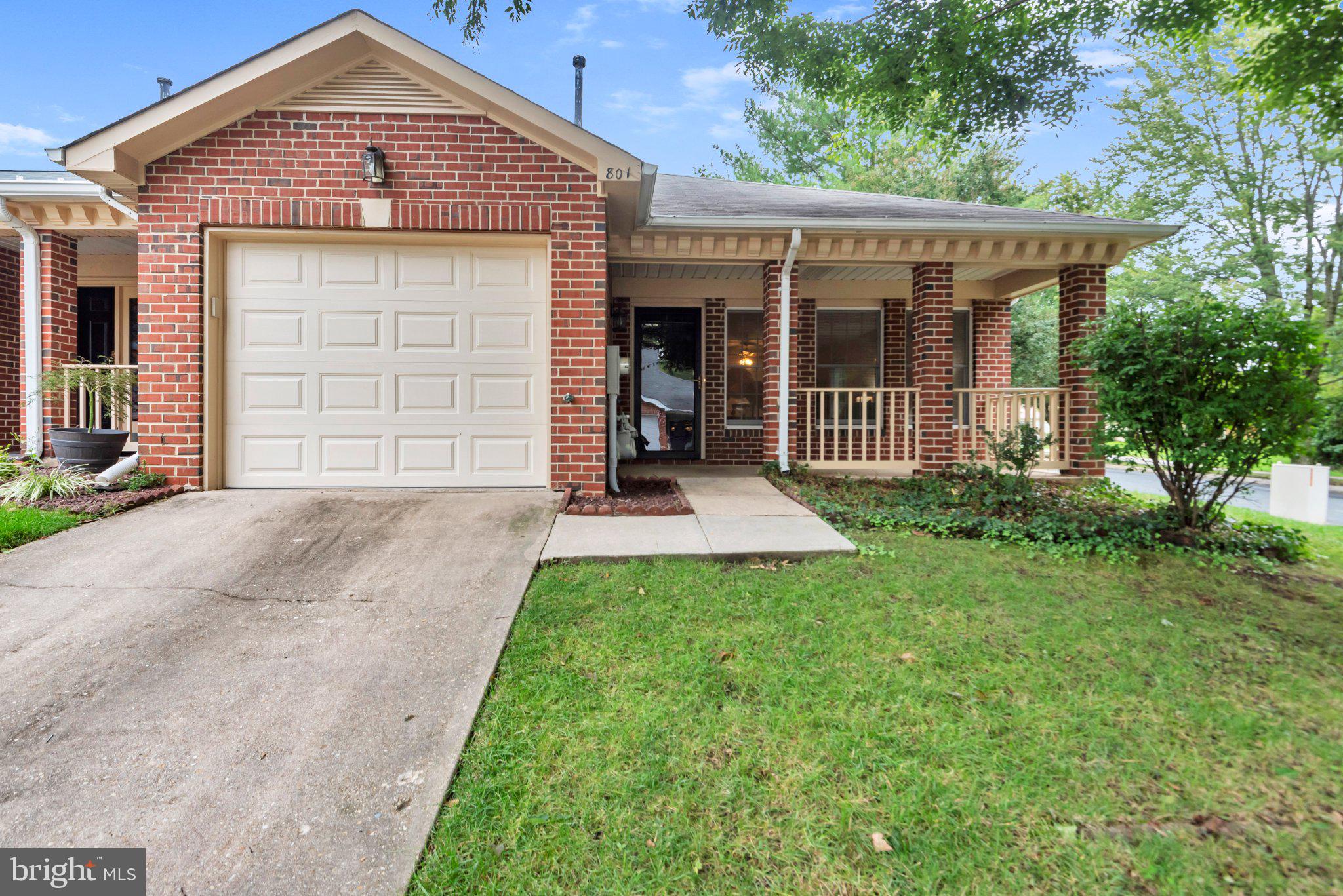

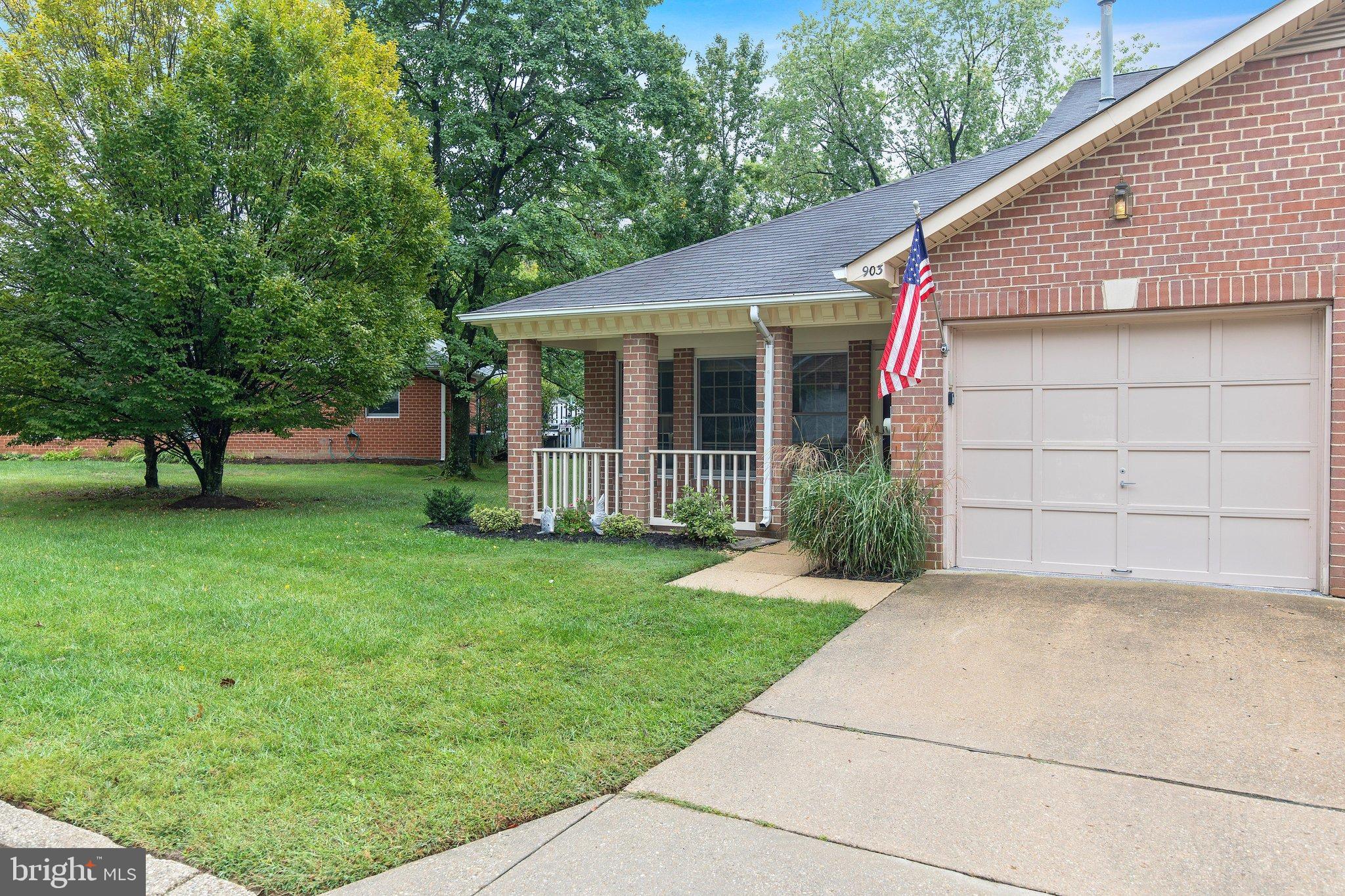
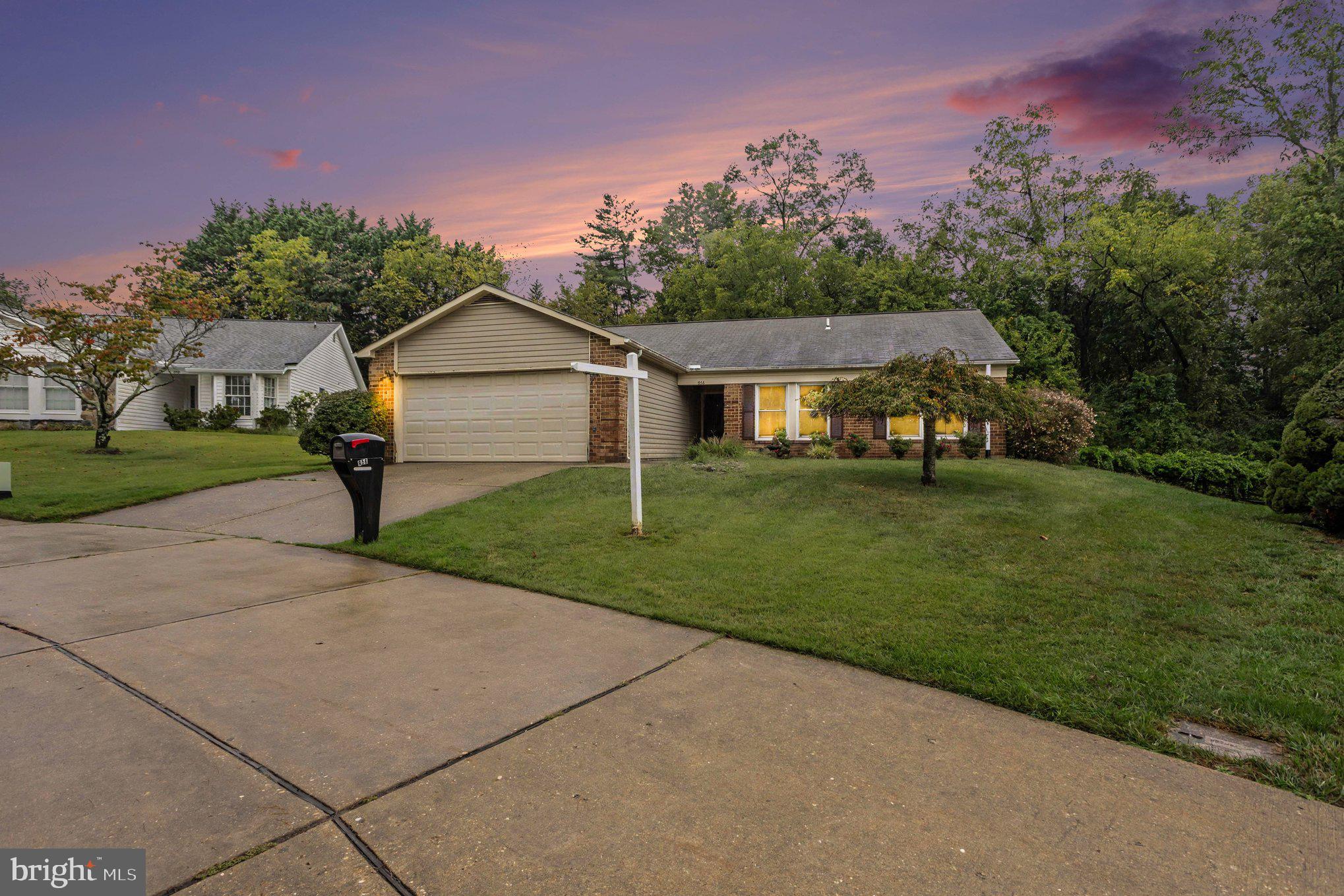
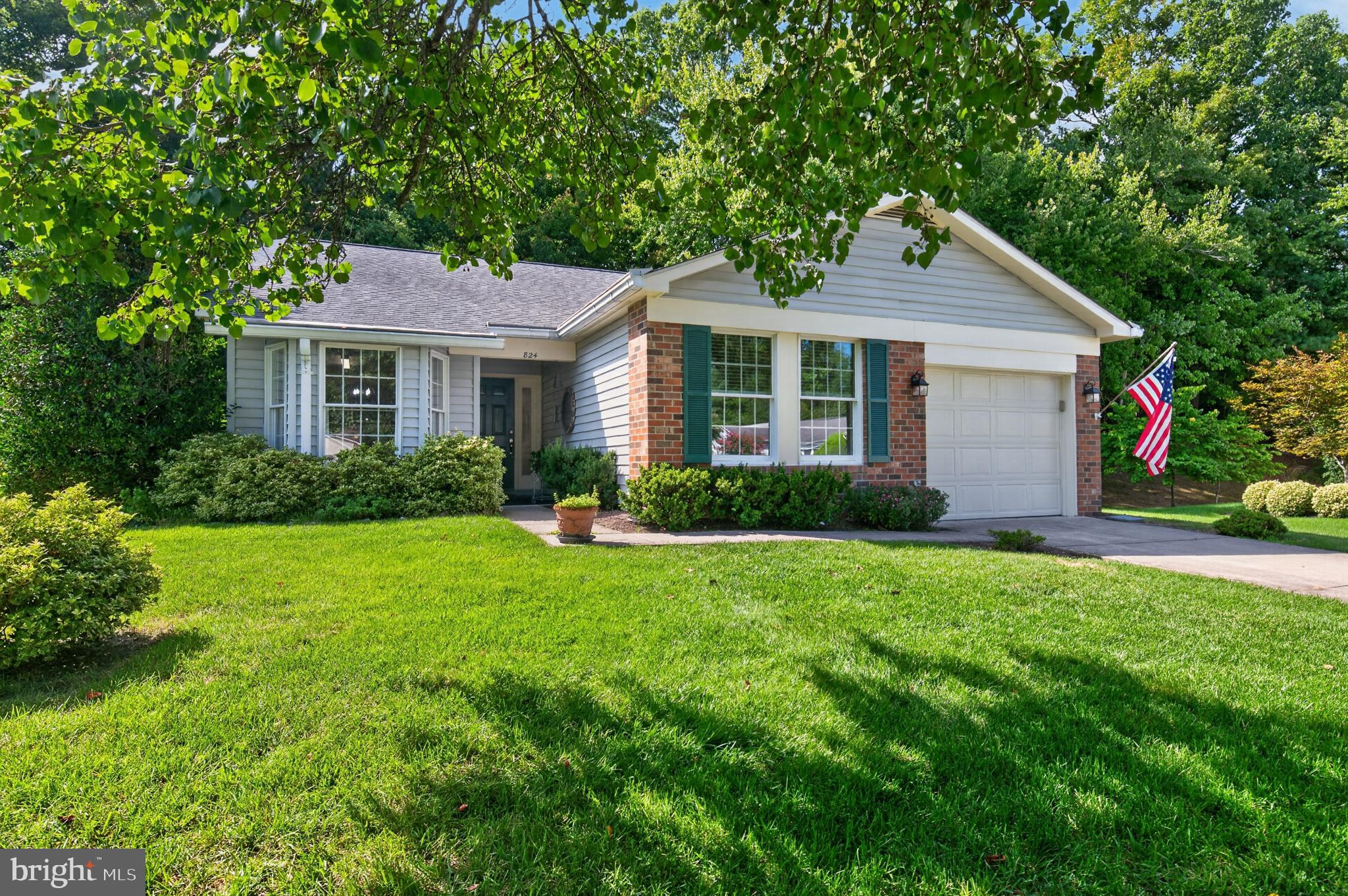
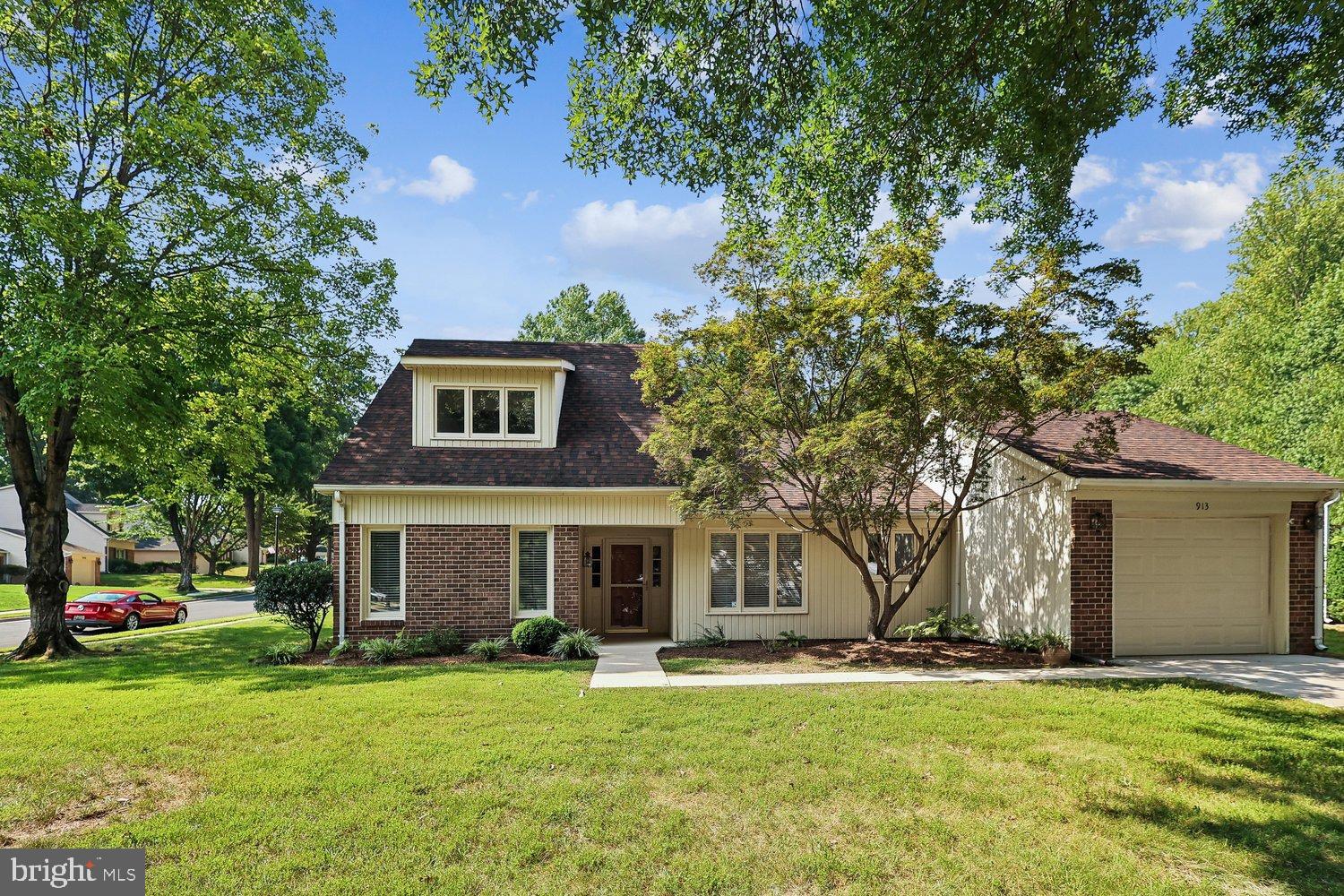
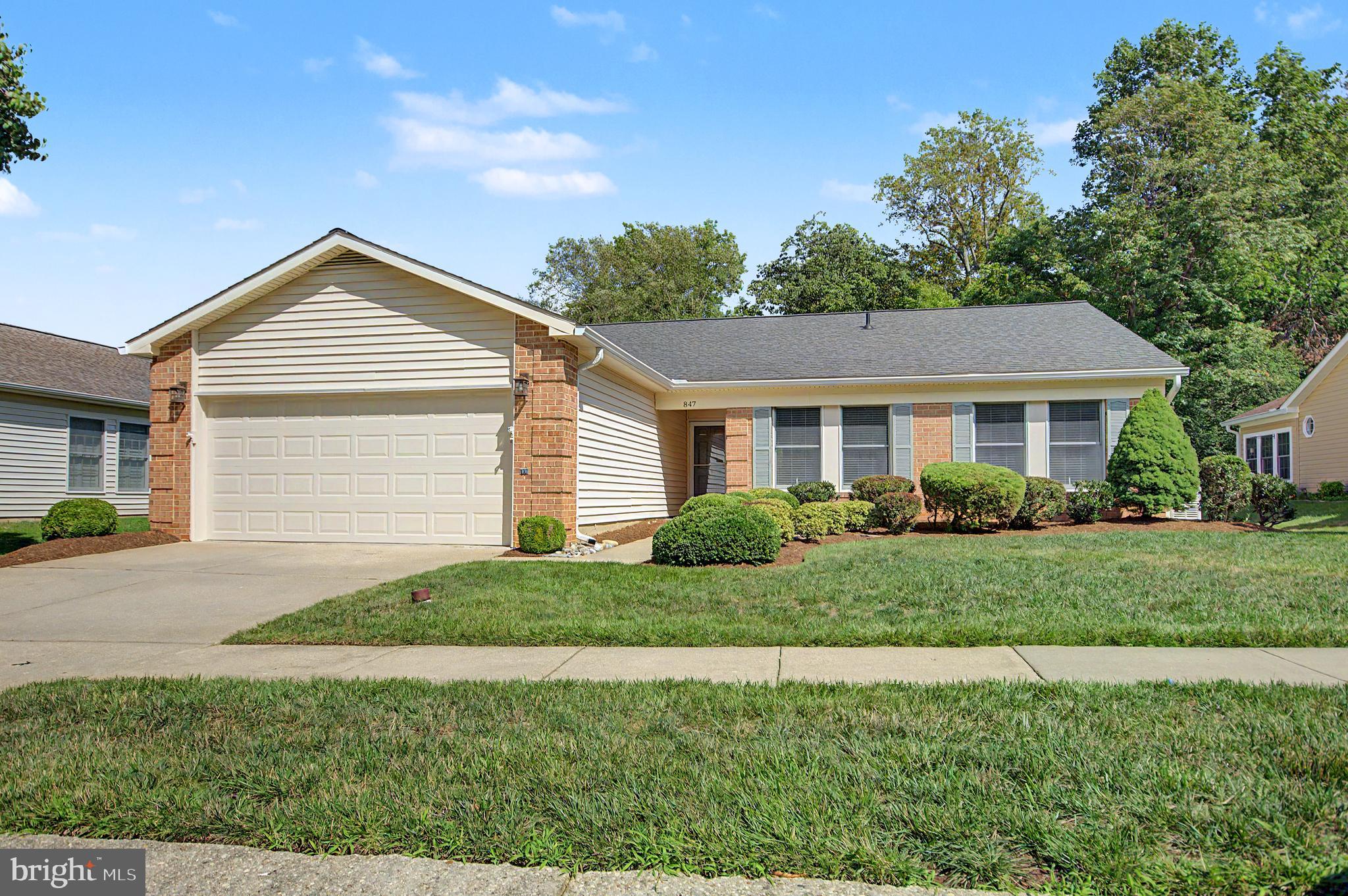
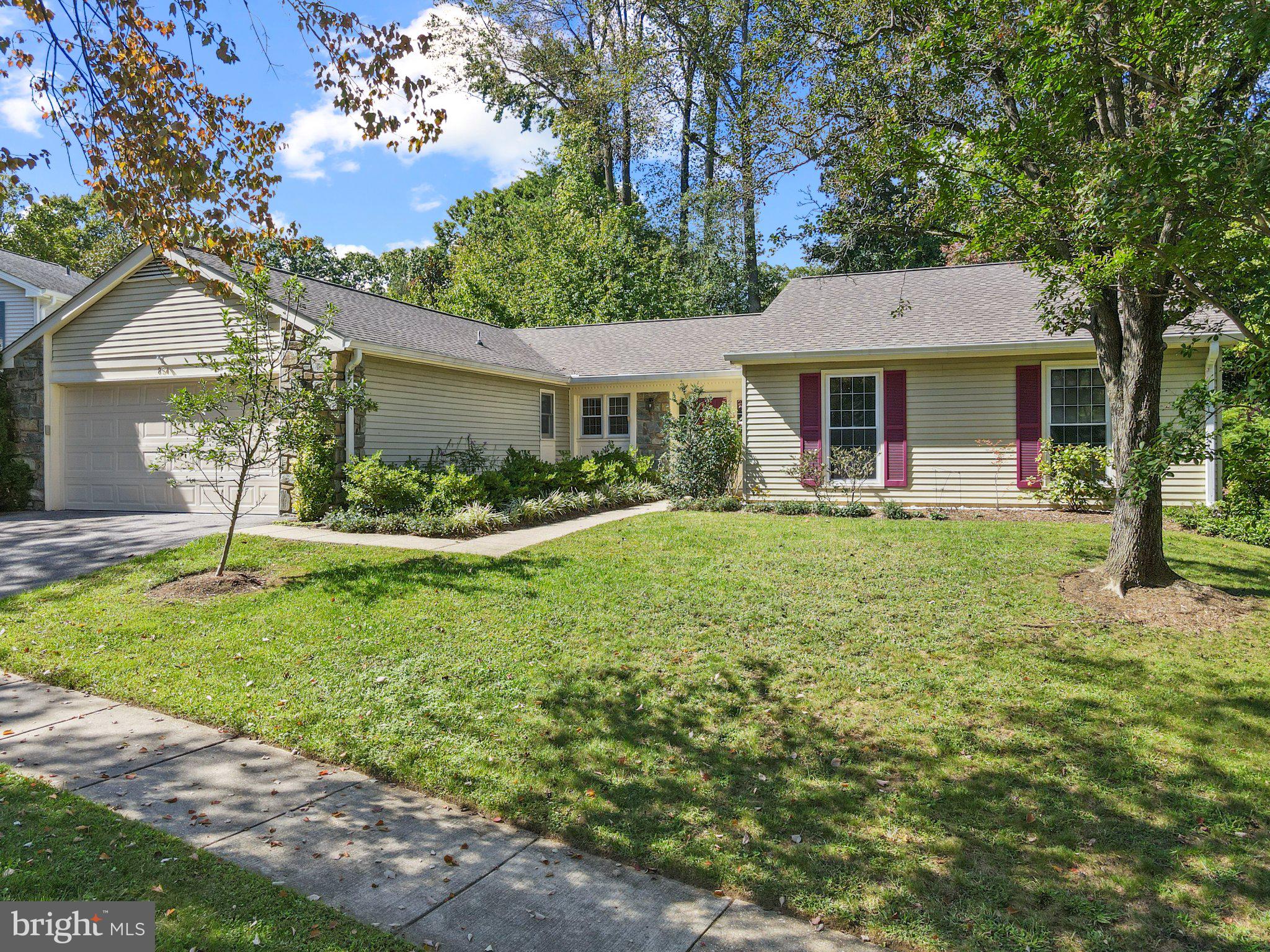
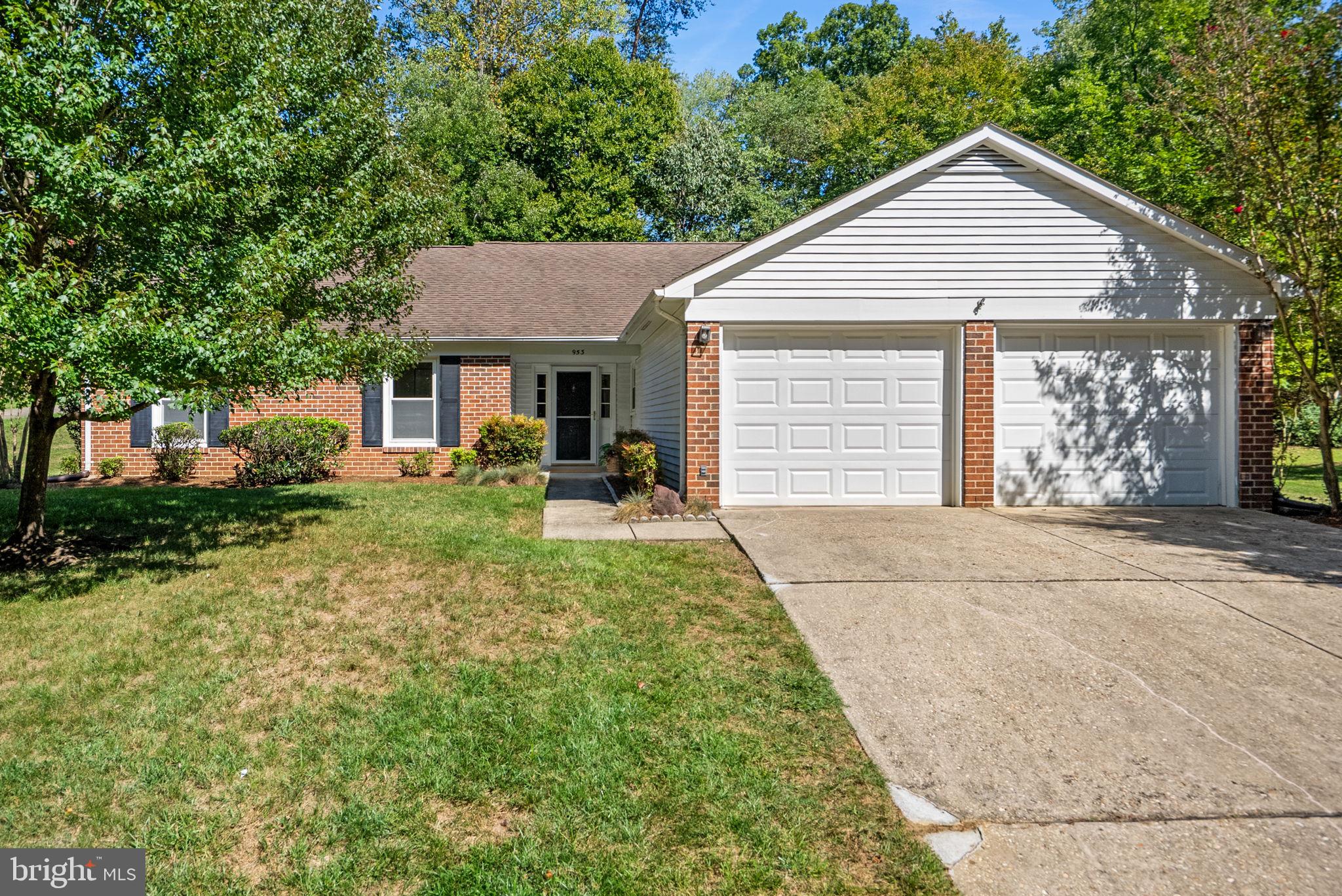
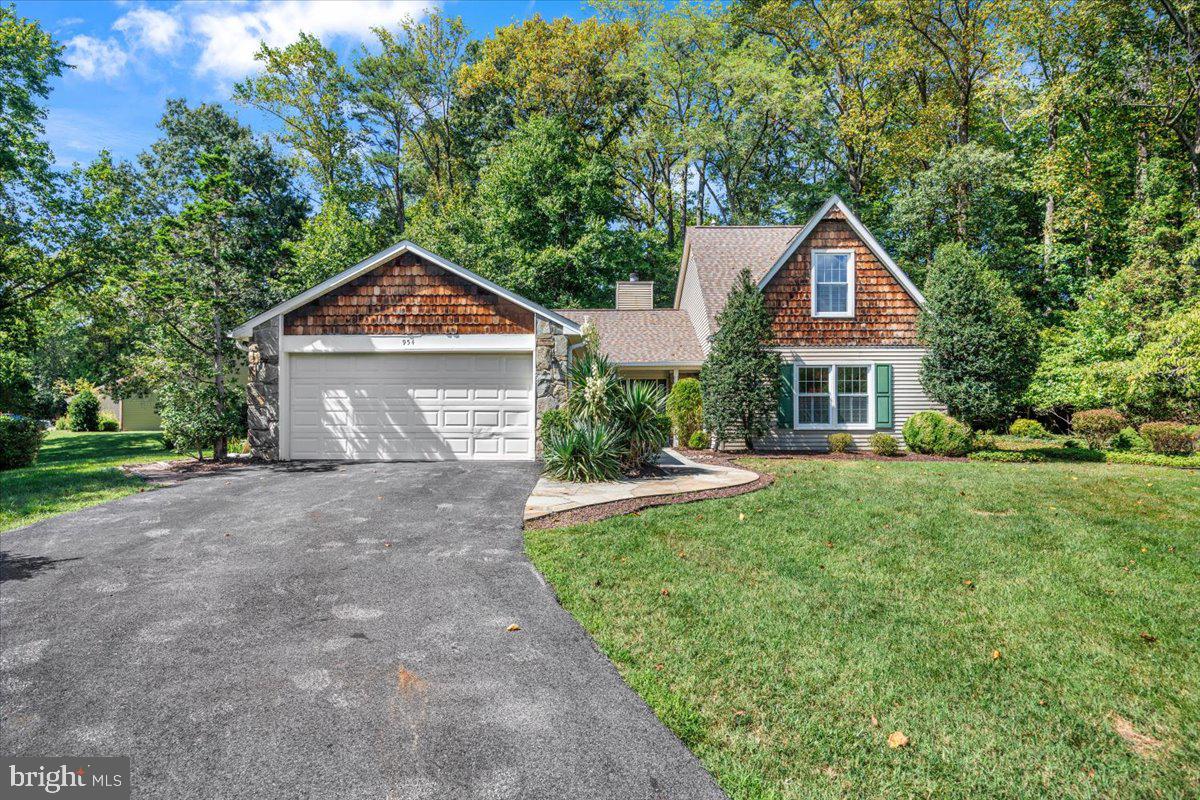
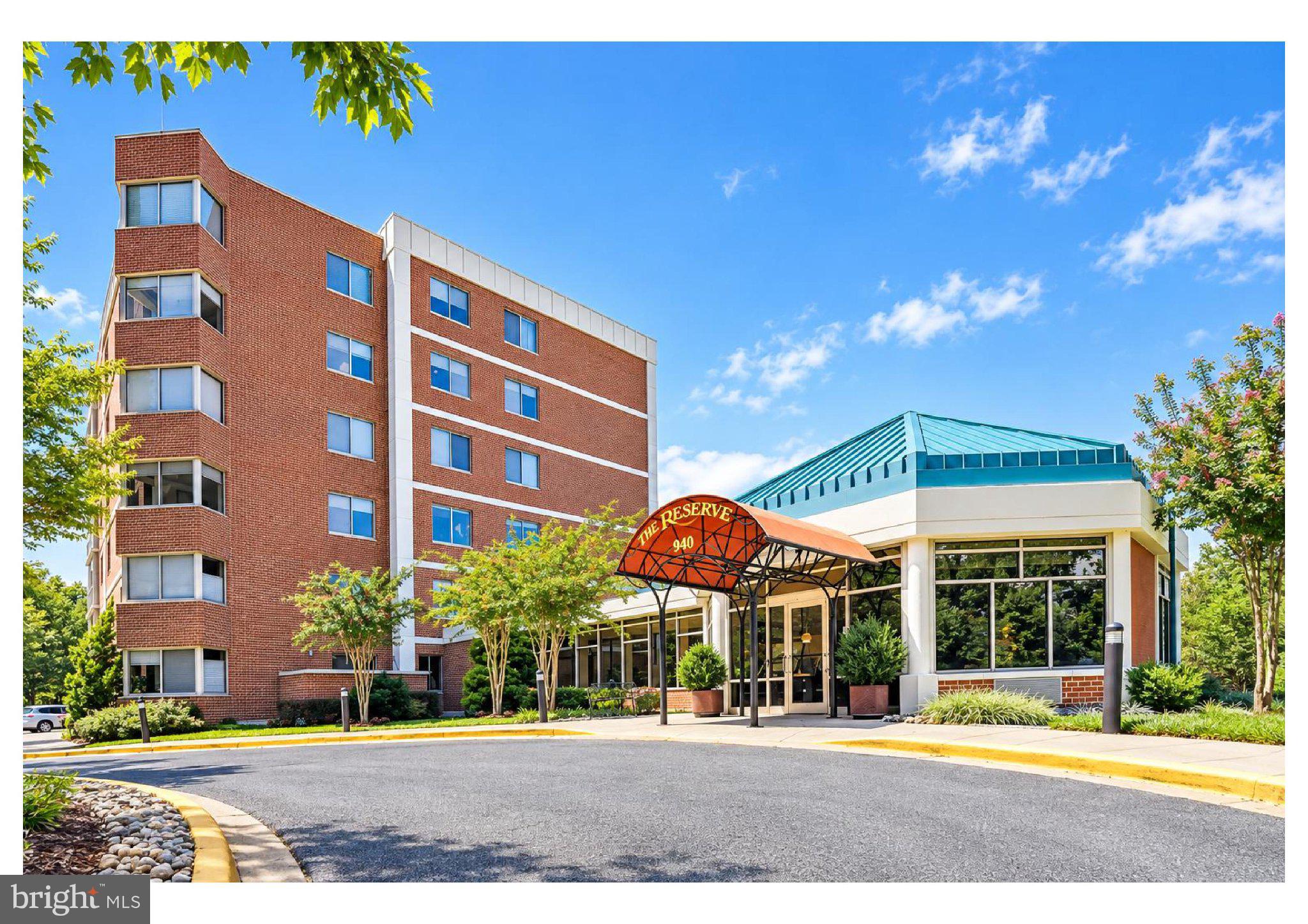

Amenities and Lifestyle Inside Annapolis 55 Plus Communities
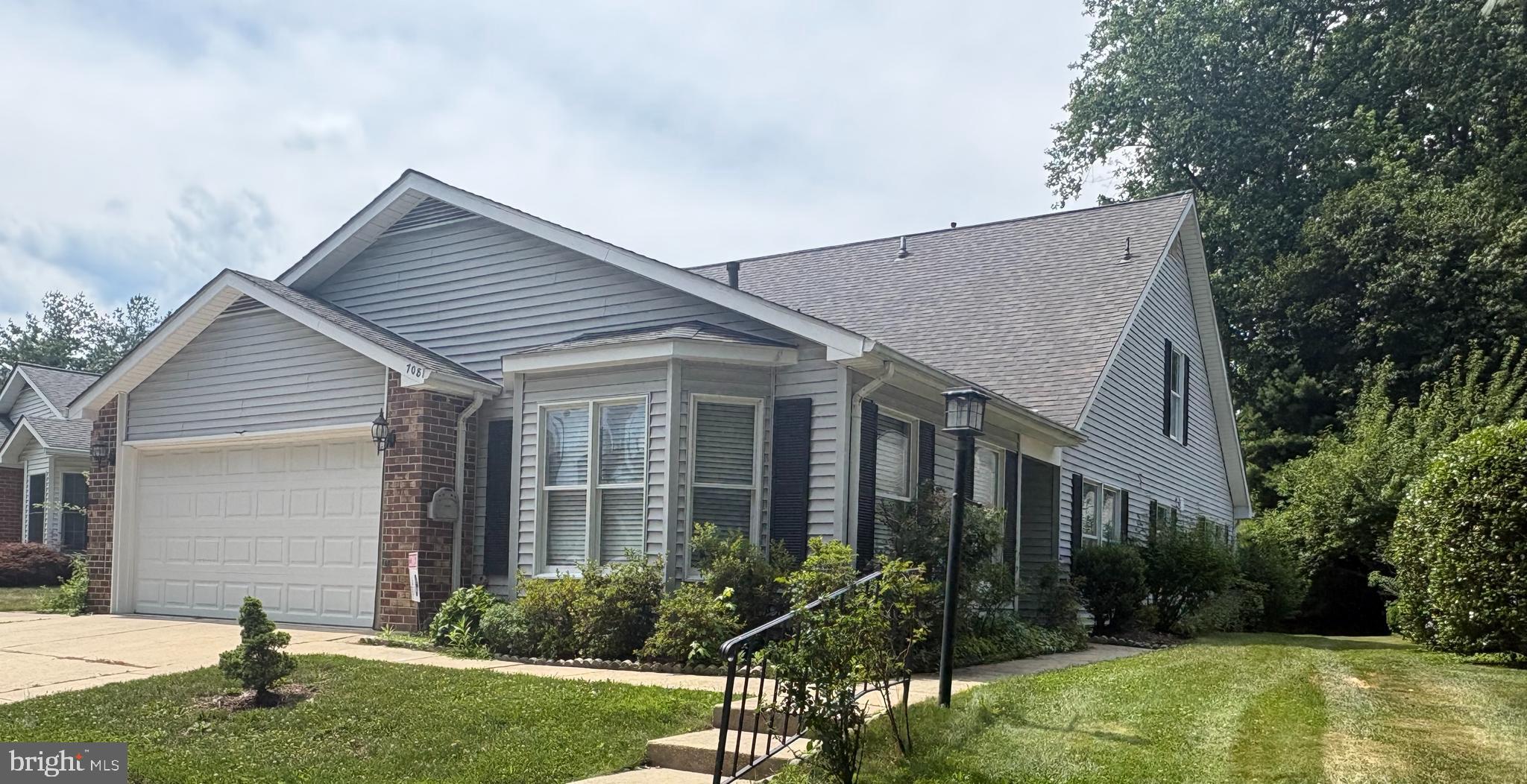
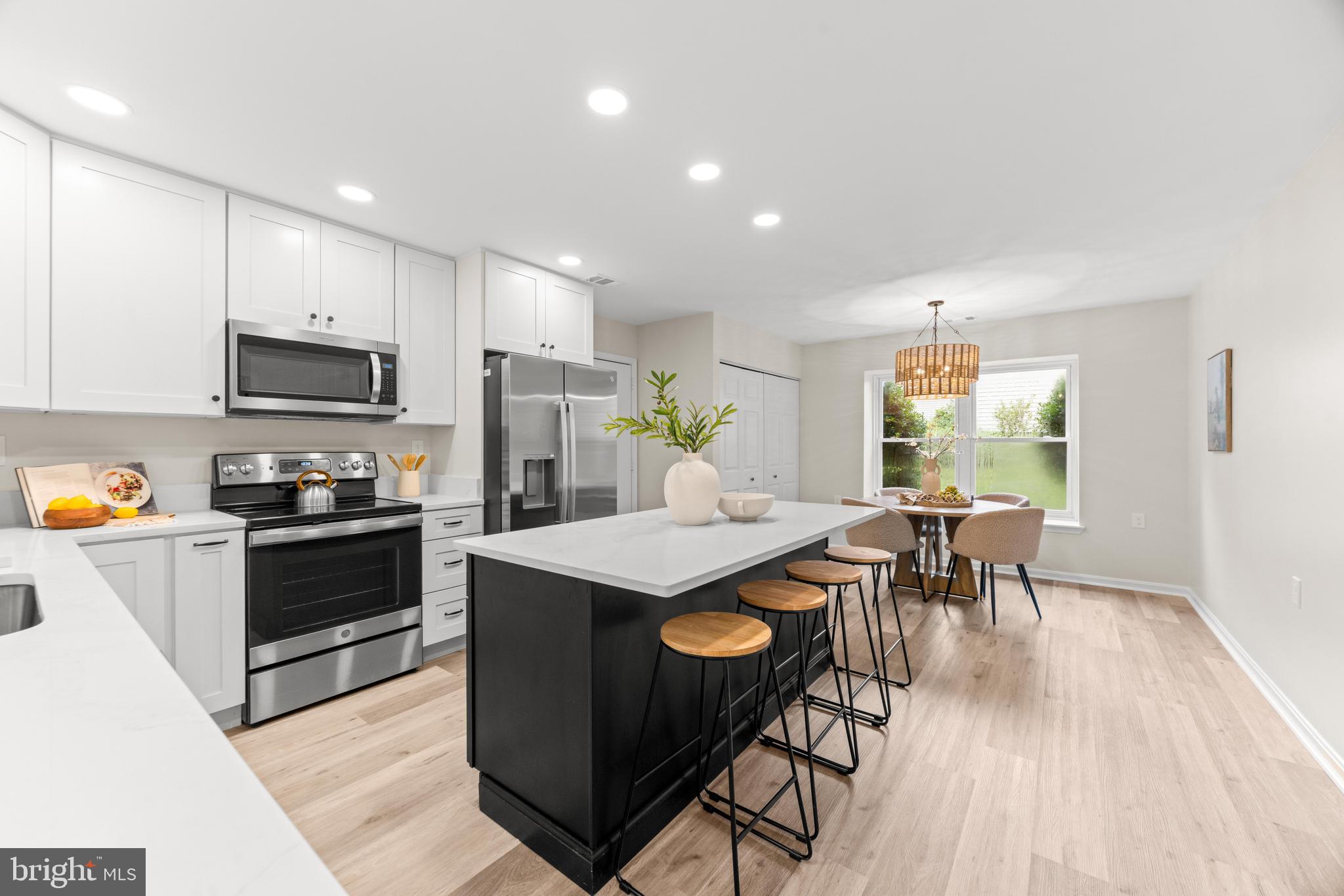
Life inside these communities centers on staying active and connected. Residents organize book clubs, card groups, fitness classes, and bocce leagues, while communities near the water often maintain their own marinas or boat storage for sailing enthusiasts. Painting classes, woodworking shops, and volunteer groups tied to local charities also fill out a typical activity calendar, giving residents as much or as little structure as they want. Proximity to downtown Annapolis means easy access to farmers markets, seasonal festivals, and the cultural pull of the Naval Academy, all without the burden of maintaining a large property.
Healthcare access plays a quiet but important role in day to day comfort. Communities within a short drive of Luminis Health Anne Arundel Medical Center give residents peace of mind about routine appointments and emergency care. Many communities also welcome pets, offer shuttle service for residents who no longer drive, and design their floor plans with single level living or elevator access, removing the physical barriers that often prompt a move in the first place. Wider hallways, walk-in showers, and low-threshold entries have also become standard features in newer construction, which reduces the need for later renovations.
Choosing Between a 55 Plus Community and a Traditional Annapolis Neighborhood

Not every downsizing buyer wants an age-restricted setting. Some prefer a smaller home in a traditional Annapolis neighborhood, close to grandchildren or long standing neighbors, without the rules that typically govern age-qualified communities. Others find the built-in social structure, security, and shared maintenance of a 55 plus community better suited to their stage of life. Both paths can lead to a smaller, easier to manage home; the difference lies in the surrounding structure and social environment. Resale liquidity is worth weighing too, since demand for age-restricted homes can vary based on how many similar listings are on the market at any given time.
Family visits deserve consideration before signing a contract. Most age-restricted communities allow guests to stay for limited periods but place restrictions on permanent residency for anyone under the qualifying age, which matters for buyers who expect grandchildren or adult children to live with them for extended stretches. Pet policies also differ from one community to the next, with some capping the number or size of animals allowed. Long term care needs are worth thinking through as well. Communities with on-site health services, like The Village at Providence Point, suit buyers who want to age in place with support built in, while a traditional neighborhood may require arranging outside care later on.
Working With a Local Realtor Through the Annapolis Downsizing Process
An agent familiar with Annapolis’ age-restricted communities brings more than general market knowledge to the table. Each community carries its own homeowners association rules, fee structure, and approval process, and a realtor who has worked inside these communities before can flag details that might otherwise surprise a buyer during closing. That familiarity also extends to pricing, since comparable sales inside a specific community often differ from broader neighborhood averages, and a general market analysis alone can miss those nuances.
Beyond the transaction itself, a local agent typically maintains relationships with movers, contractors, and estate sale professionals who understand the pace of a senior move. Coordinating a sale and purchase so closing dates align, negotiating repair requests without derailing a timeline, and keeping both parties informed throughout the process all fall under the agent’s responsibility. A good agent also helps set expectations early, walking a seller through what buyers in this segment tend to prioritize and where a home might need attention before it goes live. That coordination reduces the number of decisions a seller has to manage alone during an already demanding transition.